


 EN
EN VN
VN ES
ES
Travel Guide
Travel Guide
Travel Guide
TIPS FOR PREPARING FOR A HIKING ADVENTURE IN THE PHONG NHA – KE BANG JUNGLE


Phong Nha – Ke Bang, one of the natural wonders of the world, is famous for its complex cave system, pristine jungles, and rich biodiversity. To have a safe and exciting hiking trip, it is important to prepare well and keep the following in mind:
1. REQUIRED EQUIPMENT
- Hiking Boots: Choose boots with good grip, non-slip, and comfortable for long hikes. Make sure you have worn them before to avoid blisters.
- Clothing: Wear light, breathable, and quick-drying clothing. It is advisable to dress in layers to easily adjust to the weather conditions. Don’t forget to bring a windproof and waterproof jacket.
- Backpack: Opt for a backpack that is compact but large enough to carry the essentials. It is important that it has adjustable and padded straps for comfort.
2. PERSONAL ITEMS
- Water: Each person should carry at least 2-3 liters of water. Consider using a bottle with a filter to drink water from natural sources such as streams and lakes.
- Light Food: Bring easy-to-carry and easy-to-eat foods like energy bars, nuts, dried fruit, chocolate, or bread. These foods provide quick energy and are easy to carry.
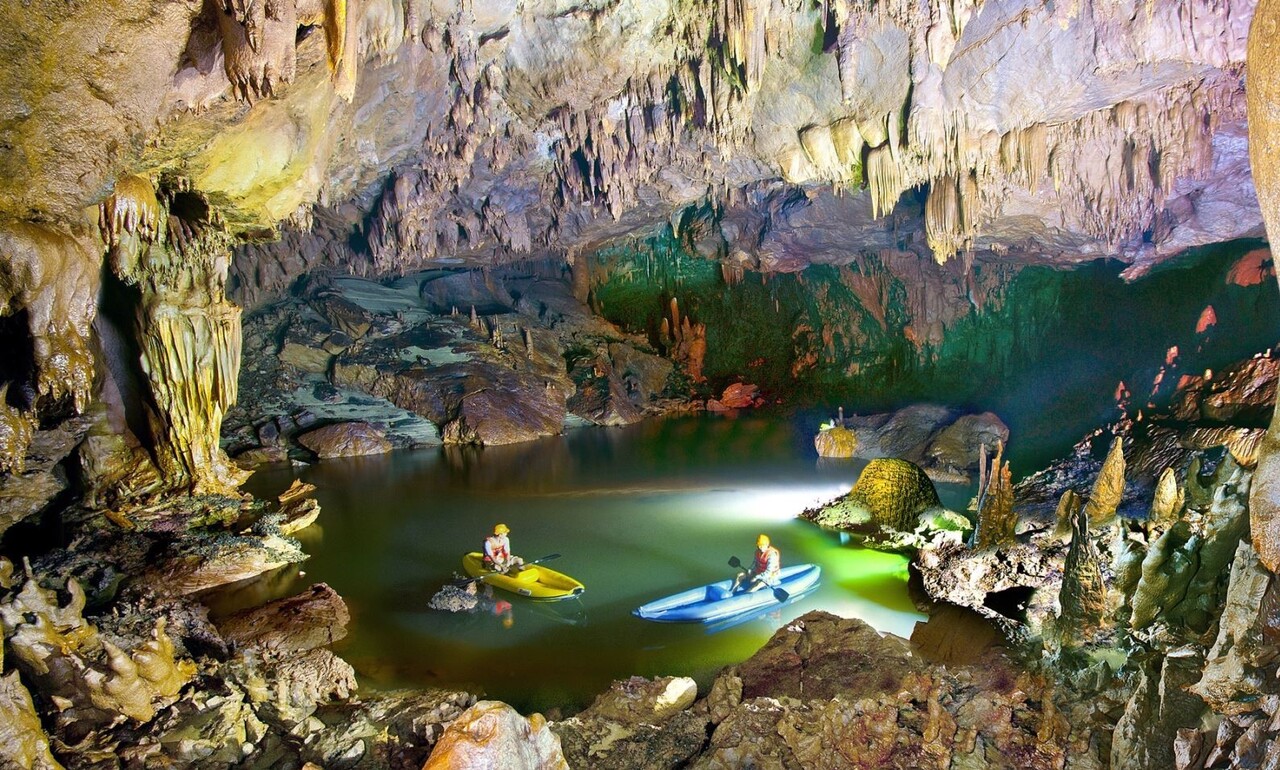
- Flashlight: This is essential if you are exploring caves or camping at night. Bring extra batteries.
- Insect Repellent: The rainforest is full of insects, so insect repellent is a must. Choose a repellent that won’t irritate your skin.
- Sunscreen and Lip Balm: Protect your skin from UV rays and keep your lips moisturized during your hike.
3. SAFETY
- Local Guide: Hiring a local guide ensures your safety and provides you with detailed guidance on trails, landscapes, and important landmarks. They can also offer valuable information about the history and biodiversity of the area.
- Map and Compass: Even if you have a guide, bring a map and compass in case you get lost. Knowing how to read a map and use a compass is essential.
- First Aid Kit: Bring a basic first aid kit to treat minor wounds, muscle aches, or emergencies. It should include bandages, painkillers, antihistamines, and other basic supplies.
4. CHECK THE WEATHER
- Weather Forecast: Check the weather forecast before you leave to avoid stormy days or bad weather that can be dangerous. Use weather apps for detailed information.
- Best Time to Travel: The best time to hike is in the dry season, from April to August, when there is less rain and the trails are drier. Avoid the rainy season (September to November) due to adverse weather conditions and slippery trails.
5. RESPECT FOR NATURE
- Do Not Leave Trash: Take all your trash back with you and keep the jungle clean. Use trash bags to collect your waste.
- Do Not Make Noise: Avoid making noise to avoid disturbing the wildlife and maintain the tranquility of the natural environment. Animals can feel threatened and react defensively.
- Protect Flora and Fauna: Do not cut down trees, pick flowers or damage the flora and fauna of the forest. Leave light footprints and do not alter the natural ecosystem.
6. BASIC SURVIVAL SKILLS
- Setting Up a Tent: If you plan to camp, learn how to set up your tent quickly and safely. Choose a safe spot, avoiding areas prone to flooding or falling trees.
- Starting a Campfire: Learn how to safely light a campfire for cooking or warmth, but also make sure you know how to put it out completely to avoid forest fires.
- First Aid: Learn basic first aid skills such as bandaging wounds, treating injuries from falls and knowing what to do in case of snake bites or poisonous insect stings.
7. HEALTH AND FITNESS
- Physical Training: Before the trip, improve your physical condition with activities such as walking, running, climbing stairs or working out at the gym to ensure your body is prepared for the trek.
- Medical Check-up: If you have health problems, consult your doctor before you go. Bring your necessary personal medications and make sure you know how to use them.
A hiking tour in Phong Nha – Ke Bang will give you unforgettable experiences if you prepare properly and follow safety rules. Enjoy the majestic scenery and explore the mysteries of nature, but don’t forget to protect the environment and respect the local culture. We wish you a safe and enjoyable trip!